Sleep Apnea Appliances
Sleep apnea is a serious and potentially life-threatening disorder involving repeated pauses in breathing while asleep. The most common form of this condition is obstructive sleep apnea. This occurs when there is an obstruction of an individual’s airway that interferes with the flow of oxygen through the nose or mouth during sleep. In someone afflicted with obstructive sleep apnea, the muscles of the throat and mouth relax during sleep to the point where they fall back into the upper airway and create a blockage that restricts breathing.
Signs and Symptoms
Sleep apnea can affect you both during the night and throughout the day.
Nighttime symptoms may include:
• Loud snoring
• Pauses in breathing
• Abrupt awakenings
• Gasping or choking for air
• Difficulty getting restful sleep
Daytime symptoms may include:
• Morning headaches
• Excessive sleepiness during the day
• Trouble concentrating
Treatment
A sleep study is typically conducted to determine the severity of the disorder. The results of this study along with other medical findings will play a role in determining the recommended therapy. The most common form of therapy is a CPAP machine that is worn when sleeping. This device provides a steady stream of pressurized air into the respiratory system through a mask.
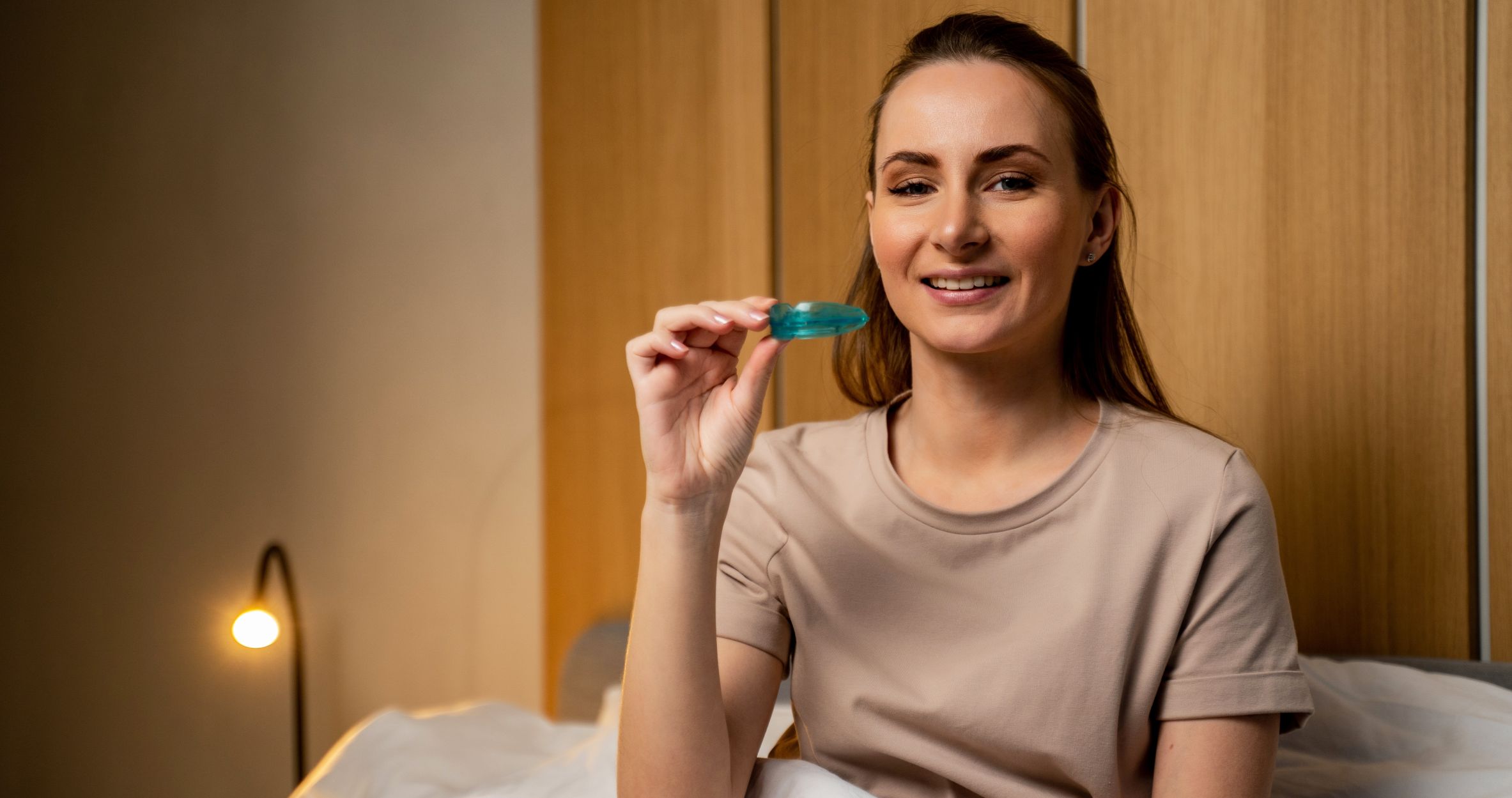
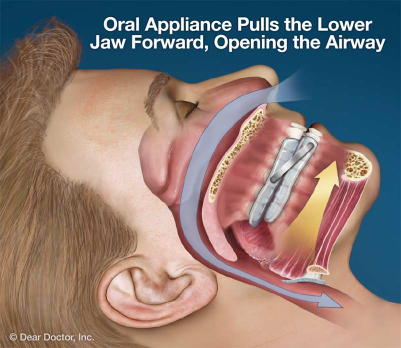
In situations of mild to moderate sleep apnea, a dental appliance may be deemed the appropriate treatment. Worn in a similar fashion to a mouthguard or an orthodontic retainer, it is designed to help keep the tongue and soft tissues in the back of the throat from collapsing, thereby enabling the airway to stay open during sleep. An oral appliance is easy to wear, easy to care for, comfortable, and portable. Oral appliances are individually fabricated, and customized for both maximum effectiveness and comfort.
Oral Appliance Therapy